
High Ceiling Fan Installation
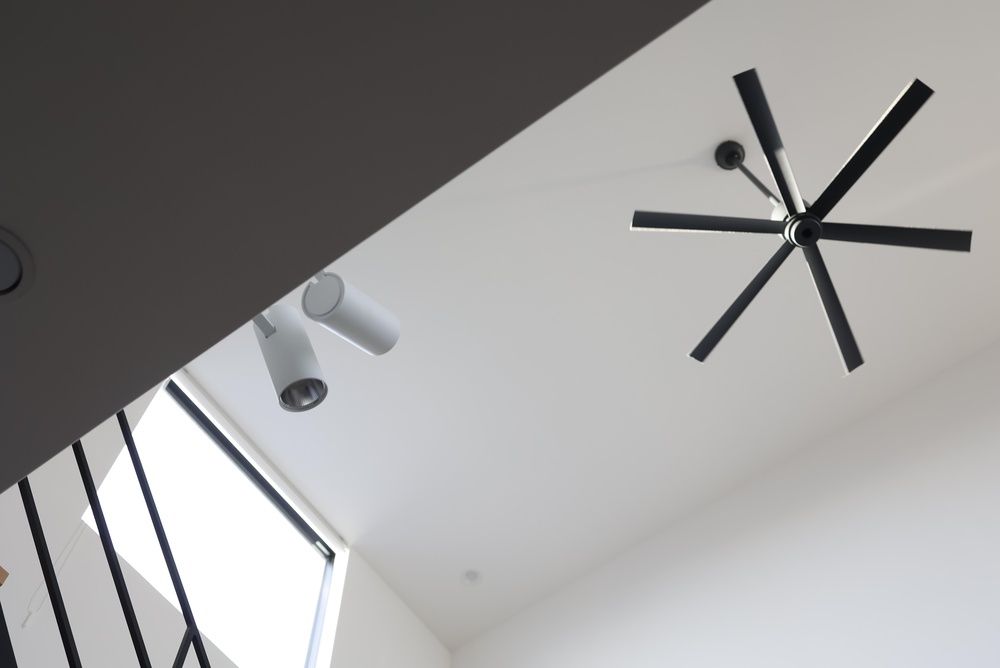
Fans for Vaulted and Cathedral Ceilings
High Ceiling Fan Installation in Spartanburg for homes with elevated ceilings where airflow and access create unique challenges
Vaulted and cathedral ceilings create dramatic interior spaces but often trap warm air near the roof line, leaving lower living areas cooler than desired during winter and creating uneven temperature zones year-round. Installing ceiling fans in these elevated spaces requires specialized mounting hardware, extended downrods that position blades within the effective airflow zone, and equipment capable of safely reaching heights that standard ladders cannot access. Clean Seam Finish, LLC handles high ceiling fan installations throughout Spartanburg, using professional-grade scaffolding and lifts to install fans securely at heights where improper mounting creates safety risks and performance problems.
The installation process begins with calculating the correct downrod length to position the fan blades seven to nine feet above the floor, regardless of ceiling height, since this range maximizes airflow efficiency across occupied spaces. Mounting hardware must attach to structural ceiling members, not just drywall or decorative beams, requiring precise location of joists or installation of bracing between framing members when existing structure is inadequate.
Schedule a property evaluation to measure ceiling height and assess structural support options for your elevated installation.
Why Downrod Length Matters in Tall Spaces
Ceiling fans mounted directly against high ceilings circulate air ineffectively because the blades operate too far above the occupied zone, moving air near the ceiling rather than through the living space below. Extended downrods bridge this gap, suspending the fan at a height where blade rotation generates airflow across seating areas, workspaces, and traffic paths. The downrod also isolates the fan from the angled ceiling plane, allowing blades to rotate parallel to the floor rather than following the ceiling slope, which would create uneven airflow patterns and increase motor strain.
After installation, you notice consistent air movement at floor level rather than stagnant zones punctuated by ineffective ceiling-mounted circulation. The fan redistributes warm air that collects near vaulted peaks during winter, reducing heating costs and eliminating cold spots in lower areas. During summer, the continuous airflow creates a cooling effect that allows you to raise thermostat settings without sacrificing comfort, since moving air feels several degrees cooler than still air at the same temperature.
High ceiling installations require secure mounting systems that prevent wobble or vibration, which amplifies at extended downrod lengths if the fan is not balanced properly or if mounting hardware loosens over time. Professional installation includes dynamic balancing tests at multiple speeds to verify smooth operation before the work is considered complete.
Answers to Frequent Service Questions
High ceiling installations involve considerations that differ significantly from standard-height fan projects, particularly regarding access, safety, and airflow optimization.
What equipment is required to install fans on high ceilings?
Professional installations use scaffolding or specialized lifts that provide stable work platforms at heights where ladders become unsafe, allowing secure mounting and precise electrical connections without compromising installer safety.
How is downrod length calculated for vaulted ceilings?
Downrod length is determined by measuring the vertical distance from the ceiling mounting point to a position seven to nine feet above the floor, ensuring the fan operates within the optimal airflow zone regardless of total ceiling height.
What structural concerns exist for angled ceiling installations?
Angled ceilings require mounting adapters that position the fan motor horizontally while the downrod attaches to the sloped surface, preventing blade tilt and motor stress that occur when fans are mounted incorrectly on non-level surfaces.
When do high ceilings require additional bracing beyond standard installations?
Ceilings above ten feet often experience more structural flex than lower ceilings, requiring cross-bracing between joists to eliminate movement that would otherwise transfer to the fan and cause wobble during operation in Spartanburg homes with open floor plans.
What maintenance challenges do high ceiling fans present?
Blade cleaning and bulb replacement become more difficult at elevated heights, making fans with extended service intervals and LED lighting preferable since they reduce the frequency of maintenance tasks requiring lift equipment or scaffolding.
Clean Seam Finish, LLC provides complete high ceiling fan installation services, including structural assessment, equipment access, and post-installation balancing. Contact us to arrange an on-site evaluation of your vaulted or cathedral ceiling space and discuss fan options suited to your room dimensions.